Civic education gives young people the knowledge, skills and values to take part in their community. Discover why it matters in Benin and West Africa and how a youth-led NGO puts it into practice.
Civic education teaches young people how their society works, what rights and duties they have and how to take part in shaping the future of their community. In Benin and across West Africa, where young people make up a large share of the population, civic education is not a luxury. It is the foundation of active citizenship, trust in institutions and peaceful, united communities. This article explains what civic education is, why it matters today and how youth-led organisations such as Jeunesse Consciente du Bénin (JCB) turn civic values into concrete action in Parakou and the Borgou region.
What is civic education?
Civic education goes beyond memorising the constitution. It covers knowledge (institutions, rights, duties and laws), skills (dialogue, critical thinking, organising and leading) and values (loyalty, respect for commitments, integrity, solidarity and responsibility). Done well, it changes behaviour: young people keep their word, respect others, ask questions of their leaders and contribute to the common good.
Why civic education matters for young people today
- It builds responsible citizens. Young people who understand their duties are more likely to respect rules, keep their commitments and look after shared spaces.
- It strengthens trust and accountability. Informed young people can follow public decisions, ask for explanations and hold leaders to their promises.
- It protects against manipulation. Citizens who know their rights are harder to push towards violence, misinformation or vote-buying.
- It prepares future leaders. Public speaking, teamwork and organising are civic skills, and they are also the skills used at work and in entrepreneurship.
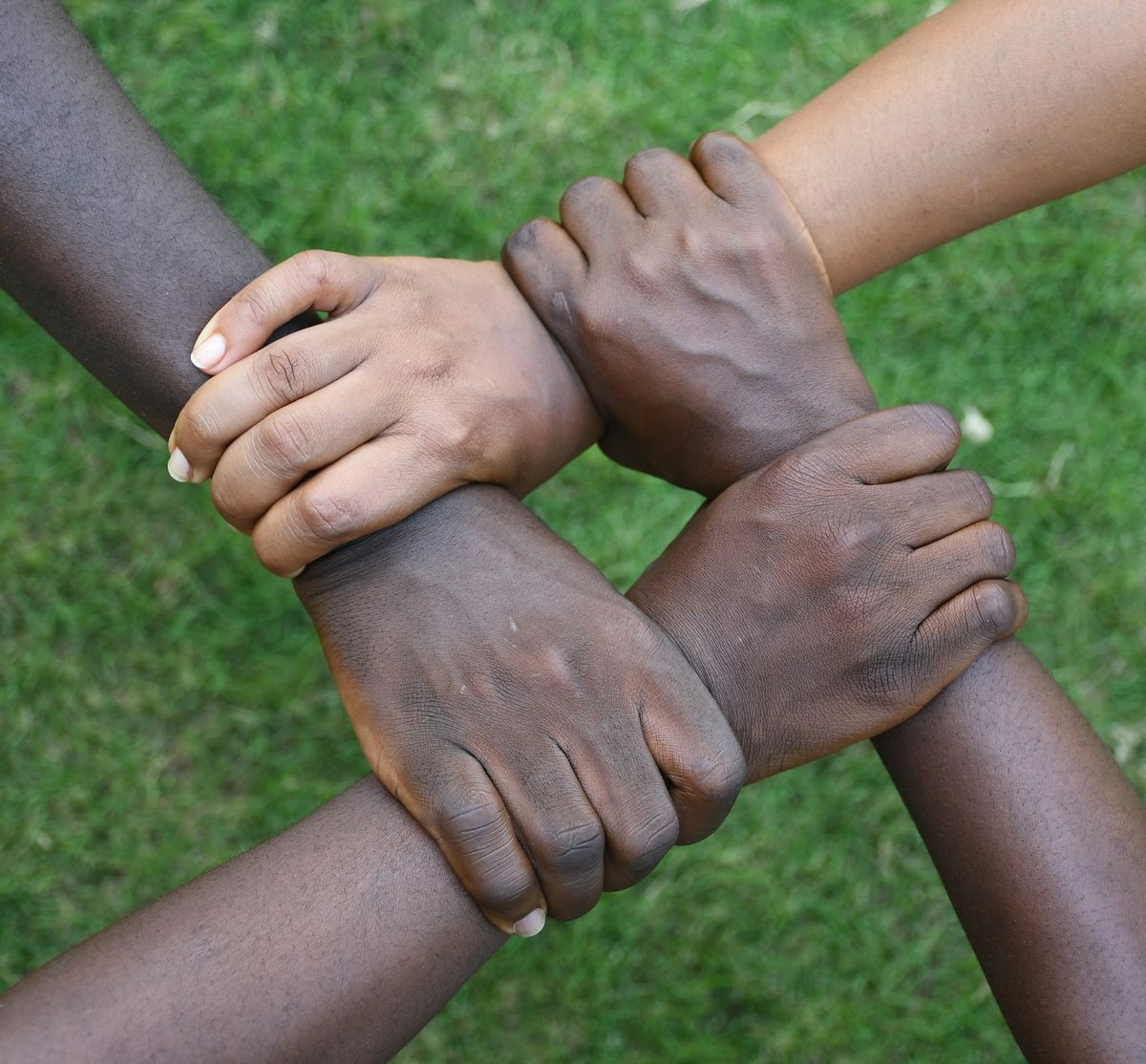
- It supports peace and social cohesion. Shared values help diverse communities live and work together.
From classroom to community: civic engagement in action
The most effective civic education is learning by doing. It happens in dialogue with authorities, in neighbourhood meetings, in schools and in family conversations. JCB’s first actions show what this looks like in practice:
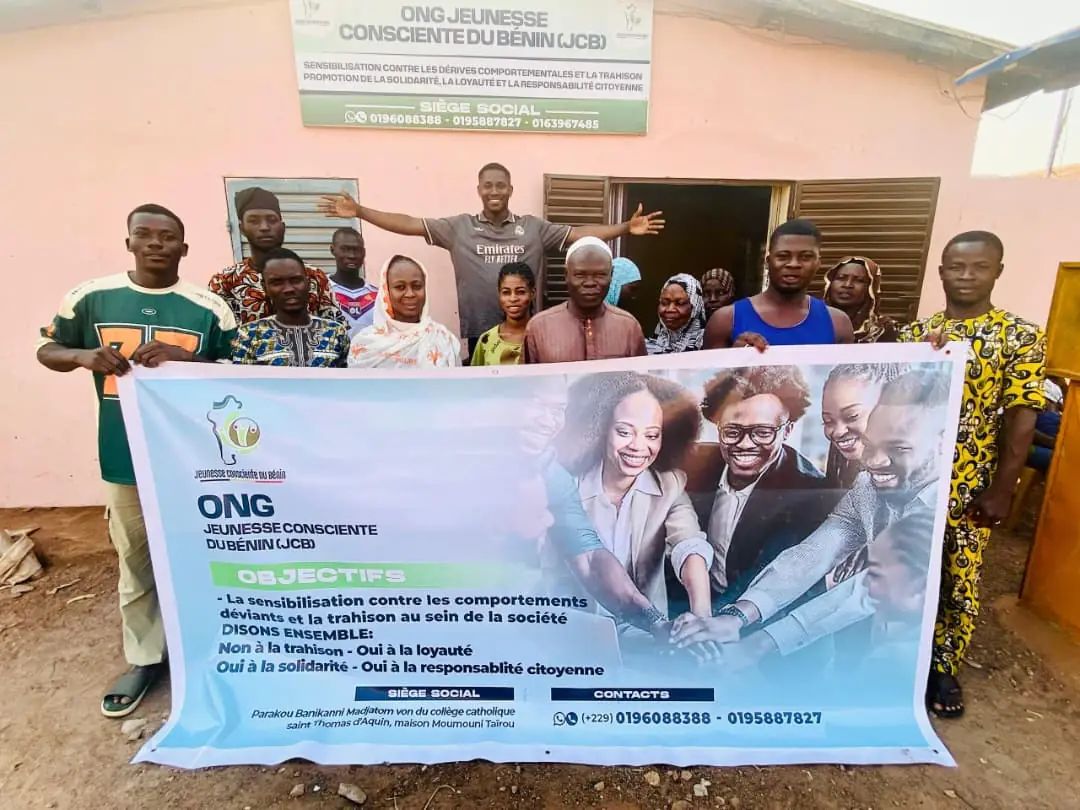
- Dialogue with authorities. In December 2025 our delegation was received by the head of the 3rd arrondissement of Parakou and by the Public Prosecutor at the Court of First Instance of Parakou. In April 2026 we met the Departmental Director of the Republican Police of Borgou.
- Community awareness. On 19 December 2025 we organised an awareness session with parents in Banikanni, Parakou, titled “Understand, prevent and support our girls”.
- Leadership training. In November 2025 we hosted an intensive three-day workshop on leadership and civic engagement in Parakou.
- Student communities. In December 2025 a JCB delegation attended the handover ceremony of the Bantè student community, and in 2026 we held exchanges with students at the University of Parakou.
Active citizenship: six things any young person can do
- Learn your rights and duties, and the role of local institutions.
- Get informed from reliable sources and check information before sharing it.
- Attend local meetings and consultations, and make your voice heard respectfully.
- Volunteer for a cause in your neighbourhood or school.
- Keep the commitments you make: reliability is the foundation of trust.
- Use digital tools responsibly to encourage constructive debate, not hatred.
The role of parents, schools and local leaders
Civic education does not belong only to teachers. Parents teach honesty and respect at home. Schools and universities create spaces for debate and leadership. Local authorities and community leaders show what accountable service looks like. When these actors work together, young people receive consistent messages and see civic values practised around them.
Our approach: awakening consciences and civic responsibility
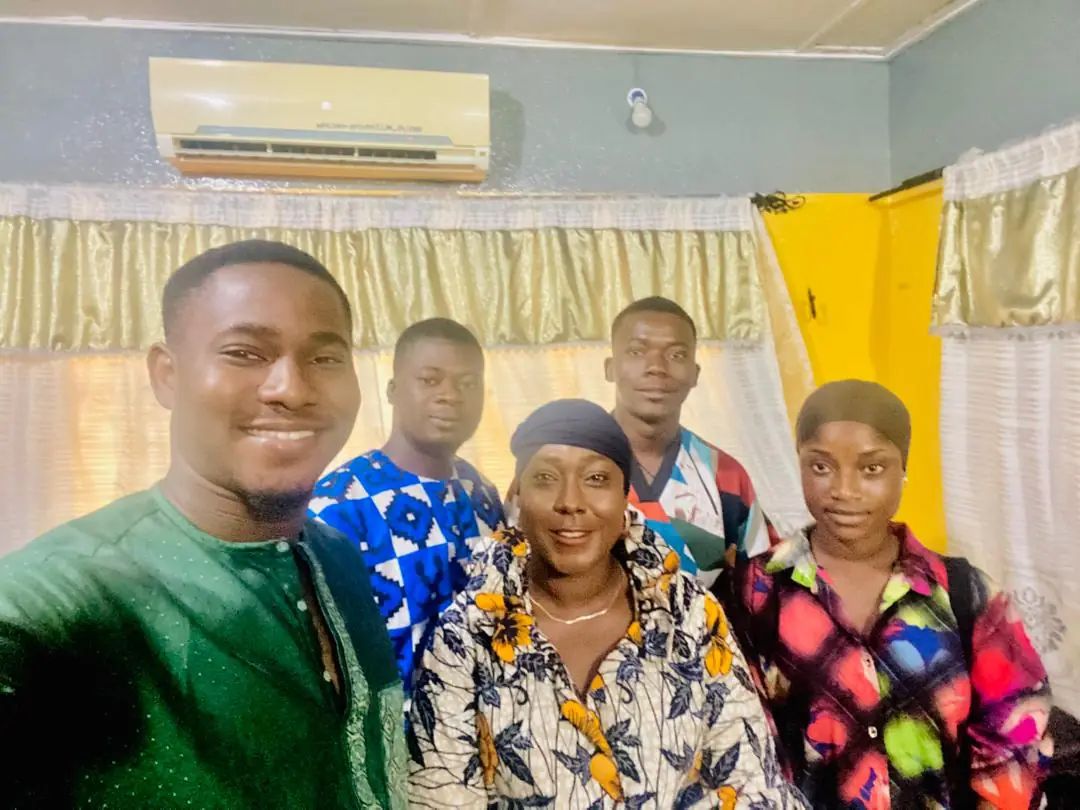
Awakening consciences and civic responsibility is one of JCB’s flagship projects. It starts in the Borgou region, with the ambition of national deployment as resources allow, and it brings together civic education, leadership training and community dialogue. Our mission is to promote among Beninese youth a culture of loyalty, respect for commitments and ethics, and to help form a responsible youth that takes an active part in the socio-economic development of Benin.
Get involved
Civic education works best when many people take part. You can volunteer with JCB, invite us to your school or association through our contact page, propose a partnership or support our projects with a donation. Meet the volunteers who lead this work on our team page.
Frequently asked questions
What is the difference between civic education and political education?
Civic education teaches the knowledge, skills and values needed to be a responsible citizen and to take part in community life. It is not about supporting a party. JCB’s civic work is non-partisan and focused on values, rights and duties.
Who can take part in JCB’s civic activities?
Students, out-of-school youth, young job seekers and entrepreneurs, as well as families, schools and local authorities, are all welcome to join our awareness sessions and workshops.
How can a school or association invite JCB?
Send us a message through our contact page with your location, your audience and the topic you would like us to address.
Related articles
- What Is Digital Citizenship? A Guide for Young People in Africa
- How to Protect Young People from Online Scams in Africa
- Youth Entrepreneurship in Benin: Challenges and Opportunities
- JCB and AYLI Explore an Online English and Public Speaking Programme for Young People in Benin
- JCB and Counting Forward Explore a Financial Education Initiative to Help Young People Avoid the Easy-Money Trap